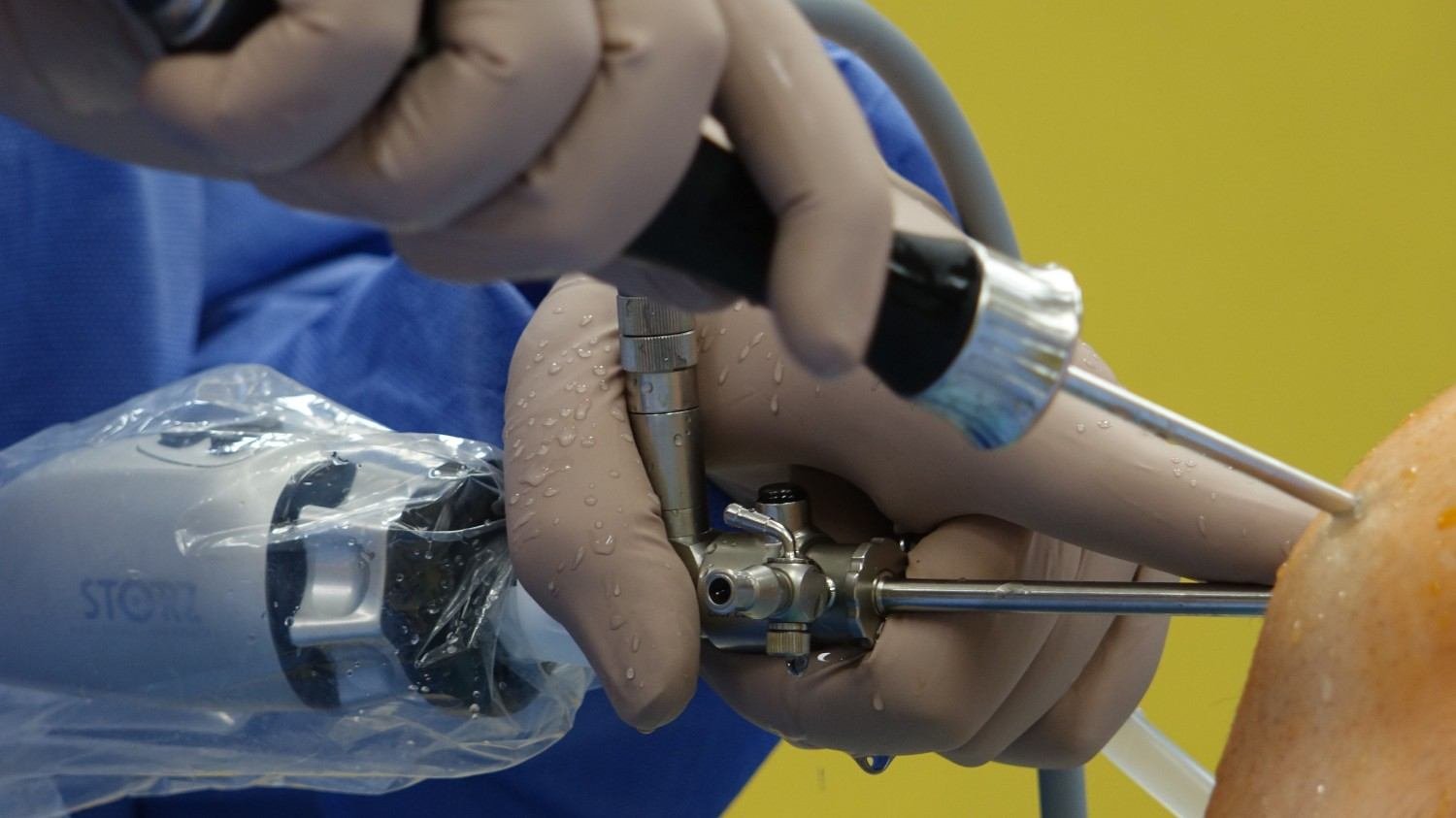
Joint pain can make everyday activities such as walking, climbing stairs, and standing uncomfortable. When medicines and physiotherapy no longer provide relief, joint replacement surgery may be recommended. Today, robotic technology is helping surgeons perform these procedures with greater precision. Consulting a Robotic Joint Replacement Surgeon in Gurugram can help patients understand how advanced surgical techniques may improve treatment outcomes. Dr. Guruditta Khurana highlights the importance of personalized surgical planning for better joint function.
Want a direct connection with us on WhatsApp? Click now.
What Is Robotic Joint Replacement Surgery?
Robotic joint replacement is an advanced surgical approach used to replace damaged joint surfaces with artificial implants. It is commonly performed for knee and hip replacement procedures.
Robotic systems use computer technology and detailed measurements to create a personalized surgical plan. They also provide real-time guidance during selected surgical steps. However, the surgeon remains in complete control of the operation.
According to Dr. Guruditta Khurana, robotic assistance helps surgeons plan procedures according to each patient's joint structure and alignment.
How Does Robotic Technology Improve Surgical Accuracy?
Accuracy plays an important role in joint replacement. Proper implant positioning can influence joint stability, movement, and long-term function.
1. Detailed Surgical Planning
Robotic systems help surgeons create a personalized plan using detailed imaging and digital measurements. They allow the surgeon to assess bone structure, joint alignment, and implant positioning before surgery.
A Robotic Joint Replacement Surgeon in Gurugram can use this information to plan treatment according to the patient's individual anatomy.
2. Better Bone Alignment
Correct alignment helps the replacement joint function properly. Robotic technology provides measurements and guidance during surgery, helping surgeons assess alignment and make adjustments when needed.
3. Controlled Bone Preparation
Damaged bone surfaces must be prepared before placing artificial implants. Robotic-assisted systems provide guidance and controlled boundaries for bone preparation. This helps surgeons follow the surgical plan and avoid unnecessary bone removal.
4. Personalized Implant Positioning
Every patient has different joint dimensions and movement requirements. Robotic technology helps surgeons assess these differences and determine suitable implant positioning.
5. Improved Soft Tissue Assessment
Ligaments and surrounding tissues help maintain joint stability. Some robotic systems allow surgeons to assess soft tissue tension and joint gaps during surgery. This information can help improve joint balance.
Robotic vs Traditional Joint Replacement Surgery
Both procedures aim to reduce pain and improve mobility. However, their planning and guidance methods differ.
Traditional surgery:
- Uses conventional surgical instruments.
- Relies on the surgeon's experience and measurements.
- May use standard alignment guides.
Robotic-assisted surgery:
- Uses computer-assisted surgical planning.
- Provides detailed anatomical measurements.
- Offers real-time guidance during selected steps.
- Supports personalized implant positioning.
Robotic surgery is not automatically better for every patient. The appropriate method depends on individual needs and the surgeon's assessment.
Benefits of Robotic Joint Replacement Surgery
Robotic assistance offers several potential benefits:
- Greater precision: Supports accurate implant positioning and alignment.
- Personalized planning: Considers individual joint anatomy.
- Controlled bone preparation: Helps guide surgical bone cuts.
- Better joint balancing: Provides information about ligament tension.
- Potentially improved recovery: Some patients may experience better early functional outcomes.
- Real-time guidance: Helps surgeons make informed decisions during surgery.
Dr. Guruditta Khurana explains that successful outcomes also depend on patient selection, surgical expertise, and proper rehabilitation.
Who May Need Robotic Joint Replacement Surgery?
Robotic-assisted surgery may be considered for patients with significant joint damage and persistent pain.
Common conditions include:
- Advanced knee osteoarthritis.
- Severe hip osteoarthritis.
- Joint damage caused by rheumatoid arthritis.
- Joint deformities affecting movement.
- Persistent pain despite non-surgical treatment.
Consulting a Robotic Joint Replacement Surgeon in Gurugram can help determine whether surgery is suitable. Not every patient with joint pain requires joint replacement.
Recovery After Robotic Joint Replacement Surgery
Recovery depends on the patient's age, general health, joint condition, and surgical procedure.
Most patients begin supervised movement and physiotherapy according to their surgeon's advice. Rehabilitation helps improve flexibility, muscle strength, balance, and walking ability.
Patients should follow their recovery plan and attend regular follow-up appointments. Dr. Guruditta Khurana emphasizes that consistent rehabilitation is important for regaining mobility and maintaining joint function.
Conclusion
Robotic technology is improving the way joint replacement surgery is planned and performed. Detailed measurements, personalized planning, and real-time guidance help surgeons perform important surgical steps with greater precision.
Choosing an experienced Robotic Joint Replacement Surgeon in Gurugram is important when considering advanced treatment. Dr. Guruditta Khurana highlights that successful results depend on surgical expertise, proper patient selection, and dedicated rehabilitation. With appropriate treatment and follow-up care, patients can work toward reducing pain and returning to everyday activities.
FAQs
1. Is robotic joint replacement more accurate?
Robotic assistance provides detailed measurements and guidance to support accurate implant positioning.
2. Does a robot perform the entire surgery?
No. The surgeon controls the procedure, while the robotic system provides assistance.
3. Is robotic joint replacement suitable for everyone?
No. Suitability depends on joint damage, health, and individual medical requirements.
4. How long does recovery take?
Recovery varies depending on the patient and procedure. Physiotherapy supports healing and mobility.