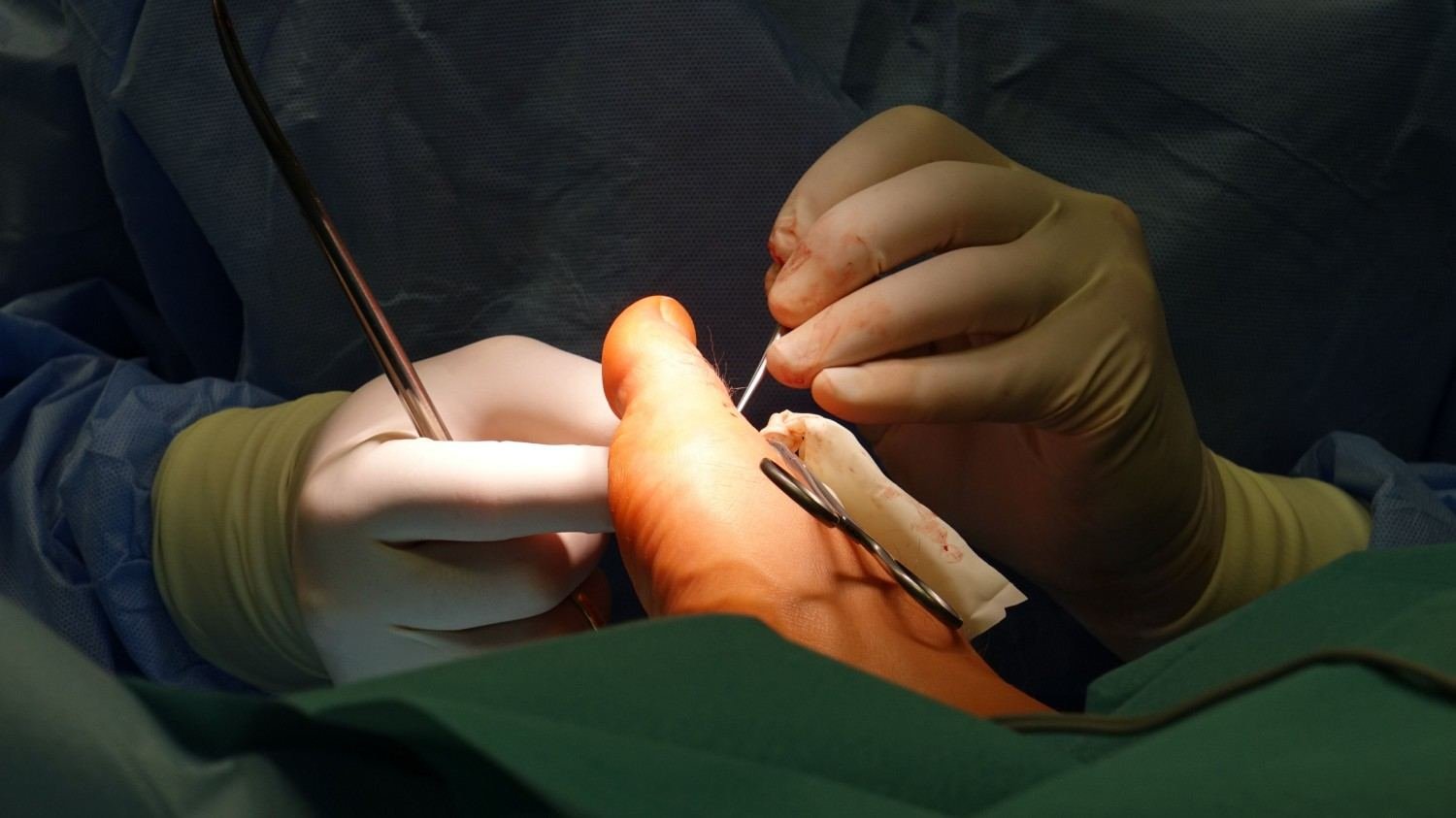
Knee, hip, and shoulder pain can make everyday activities difficult. Simple tasks such as walking, climbing stairs, lifting objects, or getting out of bed may become uncomfortable. Consulting an experienced Orthopedic Surgeon in Gurugram can help identify the cause of joint pain and find the right treatment. Dr. Guruditta Khurana emphasizes the importance of early diagnosis and personalized care to protect joint health and improve mobility.
Joint pain can develop because of injuries, arthritis, ageing, or excessive strain. While some problems improve with rest and medication, others require specialized treatment. An orthopedic surgeon evaluates the condition and recommends suitable options based on the patient's needs.
Want a direct connection with us on WhatsApp? Click now.
Understanding Common Causes of Joint Pain
Knee, hip, and shoulder joints support many everyday movements. However, they can become painful due to several medical conditions.
Some common causes include:
- Osteoarthritis: Gradual wear and tear of joint cartilage can cause stiffness and pain.
- Sports injuries: Sudden movements or accidents may damage ligaments, tendons, and muscles.
- Rheumatoid arthritis: This autoimmune condition causes inflammation and joint discomfort.
- Rotator cuff injuries: Damage to shoulder tendons can make lifting and rotating the arm difficult.
- Hip joint problems: Arthritis, injuries, and cartilage damage may affect walking and balance.
Identifying the underlying cause is essential for choosing an effective treatment approach.
How Does an Orthopedic Surgeon Diagnose Joint Pain?
An orthopedic surgeon begins by understanding the patient's symptoms, medical history, and daily activity levels. A physical examination helps assess joint movement, swelling, tenderness, and muscle strength.
Depending on the condition, the doctor may recommend:
- X-rays: To identify joint damage, bone changes, and arthritis.
- MRI scans: To examine soft tissues, ligaments, cartilage, and tendons.
- CT scans: To assess complex bone and joint conditions.
- Blood tests: To investigate possible inflammatory or autoimmune conditions.
Dr. Guruditta Khurana believes that an accurate diagnosis helps avoid unnecessary procedures and supports better treatment planning. Patients looking for an Orthopedic Surgeon in Gurugram should consider a specialist who evaluates both symptoms and the underlying cause.
Managing Knee Pain with Orthopedic Treatment
Knee pain is a common problem among adults and older individuals. It may result from osteoarthritis, ligament injuries, cartilage damage, or overuse.
An orthopedic surgeon may recommend different treatment options depending on the severity of the condition.
Non-surgical treatment: Mild to moderate knee pain may improve with medication, physiotherapy, activity modification, and weight management.
Injections: Selected patients may benefit from joint injections to help manage symptoms. The choice depends on the diagnosis and medical suitability.
Arthroscopy: This minimally invasive procedure may help treat certain knee problems, including selected meniscus and ligament injuries.
Knee replacement surgery: Patients with advanced arthritis and severe joint damage may require partial or total knee replacement. Robotic-assisted knee replacement may help surgeons plan and perform the procedure with greater precision in suitable cases.
Early consultation with an Orthopedic Surgeon in Gurugram can help patients understand their options before knee problems significantly affect mobility.
How Can an Orthopedic Surgeon Treat Hip Pain?
Hip pain can affect walking, sitting, standing, and even sleeping. It may develop due to osteoarthritis, fractures, cartilage damage, or other joint conditions.
Treatment depends on the cause and severity of the problem.
Common approaches include:
- Physiotherapy to improve flexibility and muscle strength.
- Medication to manage pain and inflammation.
- Lifestyle changes to reduce unnecessary joint stress.
- Hip replacement surgery for severe joint damage.
When hip arthritis becomes advanced, surgery may provide relief and improve mobility. Dr. Guruditta Khurana explains that proper evaluation helps determine whether conservative care or surgical treatment is more appropriate.
Shoulder Pain: Diagnosis and Treatment Options
Shoulder pain can develop due to repetitive movements, sports injuries, tendon damage, frozen shoulder, or arthritis. It may cause difficulty while reaching overhead, dressing, or lifting objects.
An orthopedic surgeon may recommend:
Physiotherapy: Exercises can improve shoulder flexibility and strengthen supporting muscles.
Medication: Appropriate medicines may help control pain and inflammation.
Injections: Selected patients may benefit from injections to manage persistent symptoms.
Arthroscopic surgery: Certain tendon injuries and other shoulder conditions may require minimally invasive surgery.
Early treatment can help prevent stiffness and maintain normal shoulder movement.
When Should You Visit an Orthopedic Surgeon in Gurugram?
Occasional joint discomfort may improve with rest. However, persistent or worsening pain should not be ignored.
Consider consulting an orthopedic specialist if you experience:
- Joint pain that continues for several weeks.
- Swelling or stiffness that limits movement.
- Difficulty walking or performing daily activities.
- Pain following an accident or sports injury.
- Reduced joint flexibility or recurring discomfort.
- Pain that affects sleep or quality of life.
Dr. Guruditta Khurana recommends timely assessment, especially when joint pain starts interfering with normal activities. Early treatment may help prevent further complications.
Importance of Rehabilitation and Joint Care
Treatment does not end after medication or surgery. Rehabilitation plays an important role in restoring strength, flexibility, and movement.
A structured recovery plan may include:
- Regular physiotherapy sessions.
- Gradual strengthening exercises.
- Maintaining a healthy body weight.
- Avoiding excessive pressure on affected joints.
- Following medical advice during recovery.
Patients should follow their rehabilitation plan consistently. Recovery time varies depending on the condition, treatment method, and individual health.
Conclusion
Knee, hip, and shoulder pain can affect independence and overall quality of life. However, the right diagnosis and timely treatment can help manage discomfort and restore mobility. Consulting an experienced Orthopedic Surgeon in Gurugram allows patients to explore suitable non-surgical and surgical treatment options.
Dr. Guruditta Khurana emphasizes that every joint condition requires an individual approach. With proper medical evaluation, appropriate treatment, and consistent rehabilitation, patients can work toward better joint function and an active lifestyle.
Frequently Asked Questions
1. When should I consult an orthopedic surgeon for joint pain?
Consult a specialist if pain persists, swelling develops, or joint movement becomes difficult.
2. Can knee, hip, and shoulder pain be treated without surgery?
Yes. Depending on the condition, medication, physiotherapy, and lifestyle changes may help.
3. What is robotic joint replacement surgery?
It is a technology-assisted procedure that helps surgeons plan and perform joint replacement with greater precision.
4. How long does recovery from joint surgery take?
Recovery varies depending on the procedure, overall health, and rehabilitation progress.