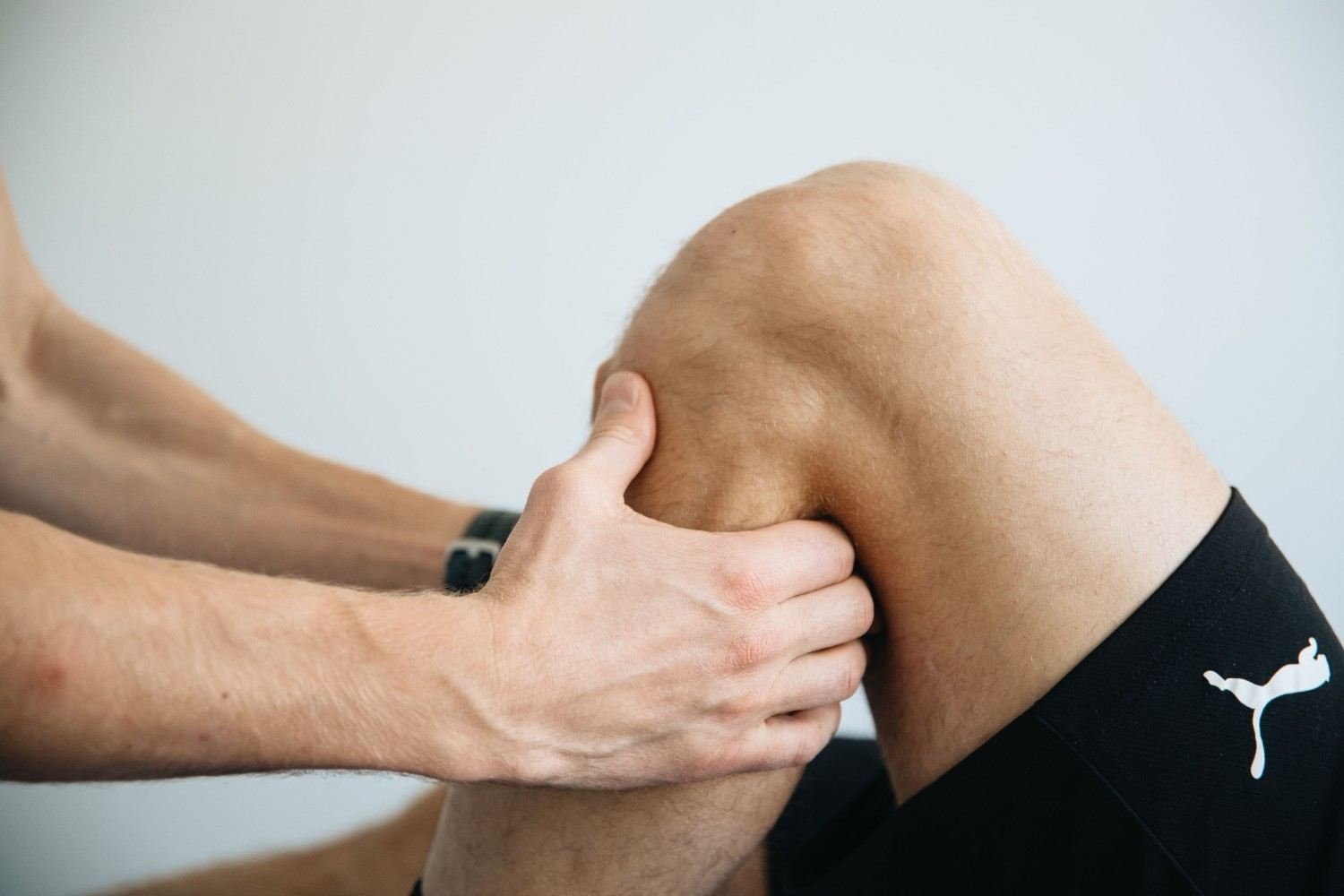
A sudden twist, fall, or sports injury can damage the ligaments that support your joints. Recognising the symptoms early can help prevent further damage and support recovery. Ligament Injury Treatment in Noida can help people experiencing joint pain, swelling, or instability understand their condition and explore suitable treatment options. Dr. Guruditta Khurana emphasises the importance of taking these warning signs seriously instead of ignoring persistent discomfort.
What Is a Ligament Injury?
Ligaments are strong bands of connective tissue that connect bones and help stabilise joints. They are commonly injured in the knees, ankles, wrists, and shoulders. A ligament may stretch, tear partially, or tear completely when a joint twists or moves beyond its normal range.
According to Dr. Guruditta Khurana, recognising the symptoms early is an important step towards appropriate assessment and recovery. The right treatment depends on the affected joint, the severity of the injury, and the patient's daily activities.
Want a direct connection with us on WhatsApp? Click now.
6 Common Signs of a Ligament Injury
1. Sudden Joint Pain
Pain is often one of the first signs of a ligament injury. It may begin immediately after a fall, sudden turn, or awkward landing. The pain can become more noticeable when walking, bending the knee, or putting pressure on the affected joint.
Do not dismiss sharp or persistent pain as ordinary muscle soreness. Dr. Guruditta Khurana recommends seeking medical advice if the pain is severe or interferes with normal movement.
2. Swelling Around the Joint
Swelling may develop soon after an injury. The affected area can feel tender, tight, or warm. Rapid swelling around the knee after a twisting injury may indicate significant damage and needs prompt assessment.
Avoid strenuous activity while the joint is swollen. Early evaluation can help determine whether the injury requires further investigation or support.
3. Bruising or Skin Discolouration
Bruising may appear around the injured joint as small blood vessels are affected. The colour can change over several days. Although mild bruising may improve with rest, extensive bruising combined with pain or swelling should not be ignored.
Dr. Guruditta Khurana advises patients not to judge the seriousness of an injury by appearance alone. Some ligament injuries may cause instability even when bruising is limited.
4. A Popping Sound at the Time of Injury
Some people hear or feel a pop when a ligament is injured, particularly during sudden knee movements or sports activities. This does not always mean a ligament has torn, but it can be a warning sign when followed by swelling, pain, or difficulty walking.
If you notice these symptoms, stop the activity and arrange a medical assessment rather than attempting to continue playing or exercising.
5. Joint Instability or a Giving-Way Feeling
Does your knee feel as though it may buckle when you stand, turn, or walk? Joint instability can occur when damaged ligaments no longer provide adequate support.
Repeated episodes of the joint giving way can increase the risk of further injury. Dr. Guruditta Khurana highlights that this symptom deserves attention, especially when it affects balance, confidence, or everyday movement.
6. Reduced Movement or Difficulty Bearing Weight
A ligament injury can make it difficult to bend or straighten the affected joint. Walking, climbing stairs, or standing for long periods may also become uncomfortable.
If you cannot put weight on the injured leg, the joint feels numb, or you cannot move it normally, seek urgent medical care. A fracture or another serious injury may cause similar symptoms.
When Should You Seek Ligament Injury Treatment in Noida?
You should arrange a medical assessment if pain and swelling persist, movement becomes restricted, or the joint repeatedly feels unstable. Seek urgent care for severe pain, significant deformity, numbness, or an inability to bear weight.
During an assessment, a healthcare professional may review how the injury occurred and examine the affected joint. Depending on the findings, an X-ray may be needed to check for a fracture, while an MRI or ultrasound may help assess soft-tissue damage.
Early Ligament Injury Treatment in Noida can help identify the extent of the injury and guide the next steps.
What Treatment Options May Help?
Treatment depends on the type and severity of the ligament injury. Many mild injuries improve with non-surgical care, while more severe tears may require specialist evaluation.
Common treatment approaches include:
- Rest and protection: Avoid activities that place excessive stress on the injured joint.
- Ice application: Use a cold pack wrapped in a towel for short periods to help reduce swelling.
- Compression and elevation: Suitable support and raising the injured limb may help control swelling.
- Bracing: A healthcare professional may recommend a brace or splint to protect the joint.
- Physiotherapy: Guided exercises can help restore movement, strength, and joint stability.
- Surgery: Some severe injuries may require surgical treatment, depending on the ligament involved and the patient's needs.
Dr. Guruditta Khurana stresses that patients should not return to sports or strenuous exercise until they can do so safely. A personalised recovery plan can help reduce the risk of repeated injury.
Why Timely Treatment Matters
Ignoring ligament injury symptoms may lead to ongoing pain, reduced mobility, or repeated joint instability. Continuing activities too soon can also delay recovery. If symptoms are affecting your daily routine, professional assessment is a sensible next step.
For people exploring Ligament Injury Treatment in Noida, Dr. Guruditta Khurana can help guide discussions about assessment, appropriate treatment options, and rehabilitation based on the individual injury.
Conclusion
Sudden pain, swelling, bruising, a popping sensation, joint instability, and difficulty bearing weight are signs that deserve attention. Not every ligament injury requires surgery, but the correct diagnosis is important for safe recovery. Ligament Injury Treatment in Noida can help patients understand their injury and take informed steps towards restoring joint function. Dr. Guruditta Khurana encourages patients to seek timely medical advice rather than pushing through pain.
FAQs
1. Can a ligament injury heal without surgery?
Yes. Many mild injuries improve with rest, support, and physiotherapy. Severe tears may need further treatment.
2. Is swelling always a sign of a torn ligament?
No. Swelling can occur with several injuries, so an assessment may be needed.
3. Can I walk with a ligament injury?
It depends on the severity. Do not force walking if it causes pain or the joint feels unstable.
4. When should I seek medical help?
Seek urgent care if you cannot bear weight, have severe pain, or notice numbness or deformity.